
5 Questions with Kimberly Tower, Pre- and Post-Natal Personal Trainer
Meet Kimberly Tower, personal trainer, co-owner of Tower Personal Training, and boy mom to a 6 and 3 year old, and 5-week-old baby! Kimberly’s ultimate passion is working with women throughout their pre- and postnatal fitness journeys. Kimberly competed as an endurance runner for nearly 20 years; now, as a mom, running serves as a respite to the chaos of parenting life, allowing her to catch a breath outside and move her body, while processing her thoughts and feelings so she can return home and be the best version of mom for her kids. She graciously answered 5 community-sourced questions for us (please note, these are general recommendations. We always recommend you check with your OBGYN for clearance on exercising during pregnancy and postpartum)
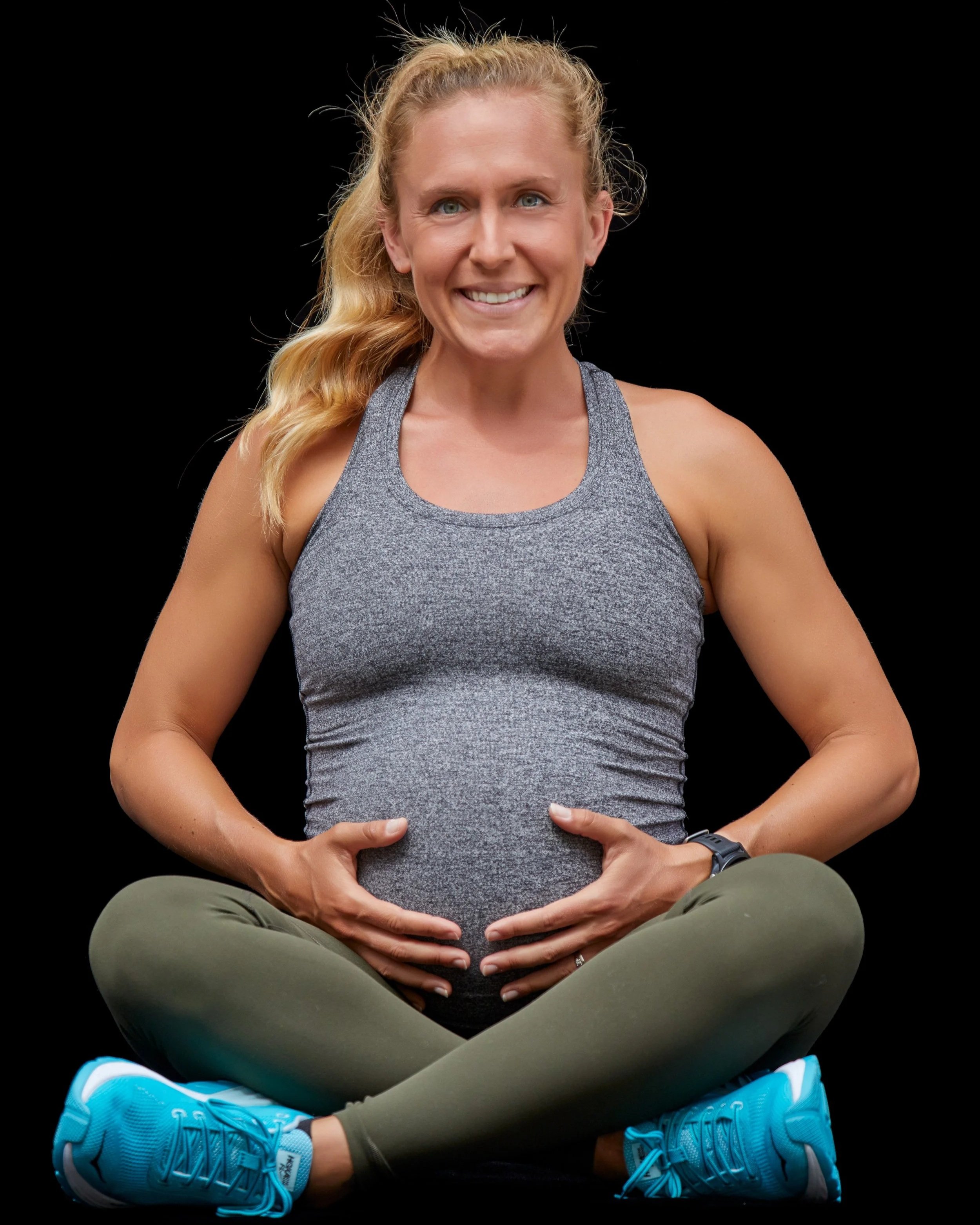
“I love helping moms become the strongest version of themselves. Allowing them to realize they can accomplish things they never thought possible with kids and busy lifestyles.”
1. Are there any types of movement/exercises that you recommend avoiding during pregnancy, for future pelvic floor health?
You are able to do so much more during pregnancy than you think! Especially if it’s exercise your body is used to. The only issues I see with women exercising during pregnancy involve the inability to listen to their bodies if they put too much strain on their pelvic floor. Running during pregnancy is absolutely wonderful if it feels good but I see some women run through clear signs of pelvic floor problems. If you leak during your pregnancy runs, it's a sign of pelvic floor weakness. Continuing to run without seeking guidance from a pelvic floor PT might cause more damage. If you have any concerns about how your exercise is impacting your pelvic floor during pregnancy, pelvic floor physical therapists are an amazing resources.
2. If someone is already training regularly, what modifications should they be making in routine once pregnant ?
This is a tough one! Every body responses differently to pregnancy and each pregnancy can also vary for the same person. This is a general recommendation for each trimester from what I have encountered with fitness and pregnancy:
First trimester: While some women feel fine, it is very normal for women to feel nauseous, tired, sluggish and overall terrible. Personally, my average mile per hour pace went up 2 minutes per mile the minute I got pregnant! During this time you might not be as motivated to exercise and your body may need a little more rest. Listen to your body and if you need to back off your routine for a few weeks just know it doesn’t mean it’s going to be that way the entire pregnancy. For runners specifically, I also think it’s important to know it’s totally normal for running to feel harder and pace to slow down. This was something I was not prepared for my first pregnancy!
Second trimester: This is typically when women feel their best! If you feel good enough to resume your regular activity go for it. Even during this time when you might be feeling your best, some days during pregnancy are just hard. Being flexible with your fitness and giving your body the recovery it needs is always a good choice.
Third trimester: This is when many women feel like they are slowing down a bit. Your body is getting heavier and activity can begin to feel more challenging. Listen to your body and reduce intensity and impact as you need. This is the stage where it is totally understandable to switch your fitness goals into birth preparation goals.
My overall message of exercising during pregnancy is that your body’s recovery needs are higher because it’s putting so much energy into creating this new human! Your hormones are also in constant flux so your fitness abilities may be more variable than you are used to. Exercising consistently during requires being flexible, adaptable and patient. Just remember any movement counts!
3. How do you know if you have diastasis recti, how do you fix it if you do,and is there a critical timeframe within which to do it?
This is such an important conversation! In a perfect world please make an appointment with a pelvic floor physical therapist at 6 weeks postpartum. They have help you navigate any diastasis recti or other pelvic floor issues. After any necessary PT, make sure any exercise programs you are doing postpartum are facilitated by instructions with experience and education in postpartum training.
4. Is there a go-to 5 minute workout that you suggest for busy moms, especially those with older kids (ages 8-11)?
Our busy parent workout is PERFECT for moms looking to get the most out of a short window of time. It is 15 minutes if you do all the rounds but can be modified to 5-10 minutes if you are crunched for time. Check it out in the FAM+ Club Resource Library!
5. I’ve had chronic back, shoulder, and neck pain issues in my left side ever since having children – is it common to have symptoms on one side versus the other?
We see this so much in the moms we train postpartum. Every body has its set of muscular imbalances and the increased stress or carrying/holding a baby, typically on your dominant side, can exacerbate these imbalances. Women are also typically having children in their 30s when recovery needs begin to increase and are not what they once were in our 20s.
The best thing we can do to combat muscular imbalances are to do the following:
1. Notice when we are using one side over the other and make a conscious effort to do activities equally on both sides. This includes holding our children, our purse/backpack, kids sporting equipment. It can even be as simple as not leading on one side when we are standing!
2. Incorporate single side movements into our exercise routines. When we do an exercise like a squat or push up, our body can still choose to have our dominant side do more of the work. When we do a single arm row or a single leg deadlift, we force each side to pull its own weight.